




Press release


Understanding the role of the military in politics: doctoral thesis introduces an analytical framework and shows how the Russian Armed Forces have served Putin’s foreign policy
National and international security alike depend on the military being both willing and able to comply with the political preferences of a civilian-led government – but how can we accurately describe the role of the military in politics? Drawing on a new theory of military compliance and a method for structured, theory-grounded analysis, a doctoral thesis at Åbo Akademi University in Finland presents a new framework for describing the role of the military in foreign policy. The thesis applies the framework to Putin’s military campaigns in Georgia and Syria.
Fredrik Westerlund seeks to contribute to research by describing, in a reliable and meaningful way, how the military relates to civilian authority. In his doctoral thesis in political science, he aims to establish a theory-grounded approach to describing military compliance with political preferences.
He does this by presenting a framework which proposes that the role of the armed forces in policy implementation can be characterised through four ideal-type roles: Servant, Shaper, Sinker and Spoiler.
“The roles are based on the degree of willingness and ability to comply with political preferences. A Servant is both willing and able to serve the political leadership, whereas a Shaper has considerable capacity to influence policy but uses this position to advance the military’s own interests. A Sinker is willing but has limited ability to adhere to the preferences of the political leadership. Finally, a Spoiler is neither willing nor able to follow political preferences,” says Westerlund.
Russia as a case study
To assess the analytical framework, Westerlund applies it to two contemporary Russian military operations: those in Georgia in 2008 and Syria in 2015–2020. These examples provide theoretically significant contexts, as the cases represent the full range of variation in military campaigns conducted beyond Russia’s borders during the Putin era.
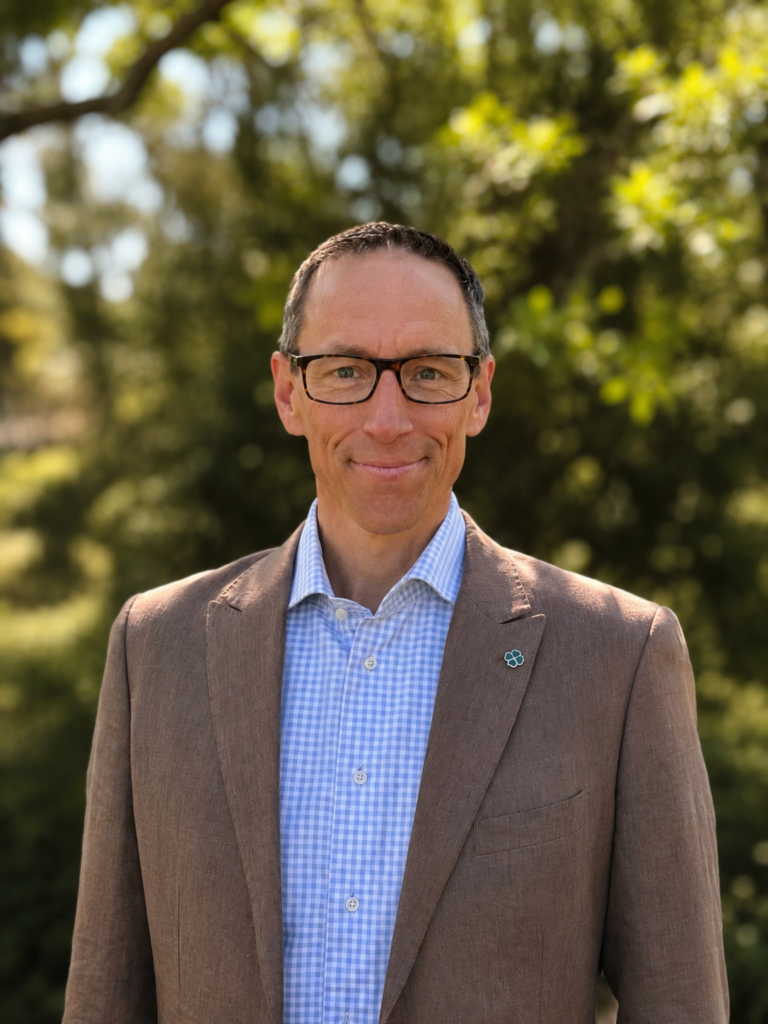
Photo: Fredrik von Matérn
“To date, few studies have examined civilian control over the use of Russian military force abroad since Vladimir Putin came to power. At the same time, the Kremlin has repeatedly used armed force in its foreign policy, with significant consequences for international security. Military operations are difficult cases, and civil-military relations in contemporary Russia pose a challenge to the Western-dominated theory. My thesis offers concepts and tools for understanding why the military complies, how civilian and military actors interact in Russia, and how the country thinks and acts in war.”
The framework is robust
The results show that Western theories of civil-military relations are useful for studying military operations during the Putin era. The analytical framework presented in Westerlund’s thesis can serve as a template for other research designs examining the role of the military in policymaking.
“The findings provide new empirical knowledge about contemporary Russian civil-military relations, including the description of the armed forces as a Servant during Russia’s military campaign in Georgia. They also support the hypothesis that the military, on behalf of Russia’s political leadership, repeatedly and flagrantly violates national and international law in order to fulfil political preferences.”
The thesis makes a significant theoretical contribution by proposing and testing an innovative approach to studying military compliance in interventions abroad, both in Russia and elsewhere, and deepens our understanding of an important aspect of civil military relations in contemporary Russia. At the same time, it challenges an established view of military compliance during the 2008 war in Georgia and offers new insights into how repeated Russian violations of international law in military operations abroad can be explained.
Fredrik Westerlund will defend his doctoral thesis on 23 June 2026 at Academill in Vaasa, Finland. The thesis ”Sinker, Shaper, Spoiler, or Servant? A framework for analysing the role of Armed Forces in policy making, exemplified by Putin-era military campaigns abroad” can be read here.
Further information:
Fredrik Westerlund, doctoral candidate at Åbo Akademi University
Email: fredrikwesterlund72@gmail.com
