

News


From apothecary traditions to tomorrow’s medicines: New publication charts the history of pharmacy at Åbo Akademi University
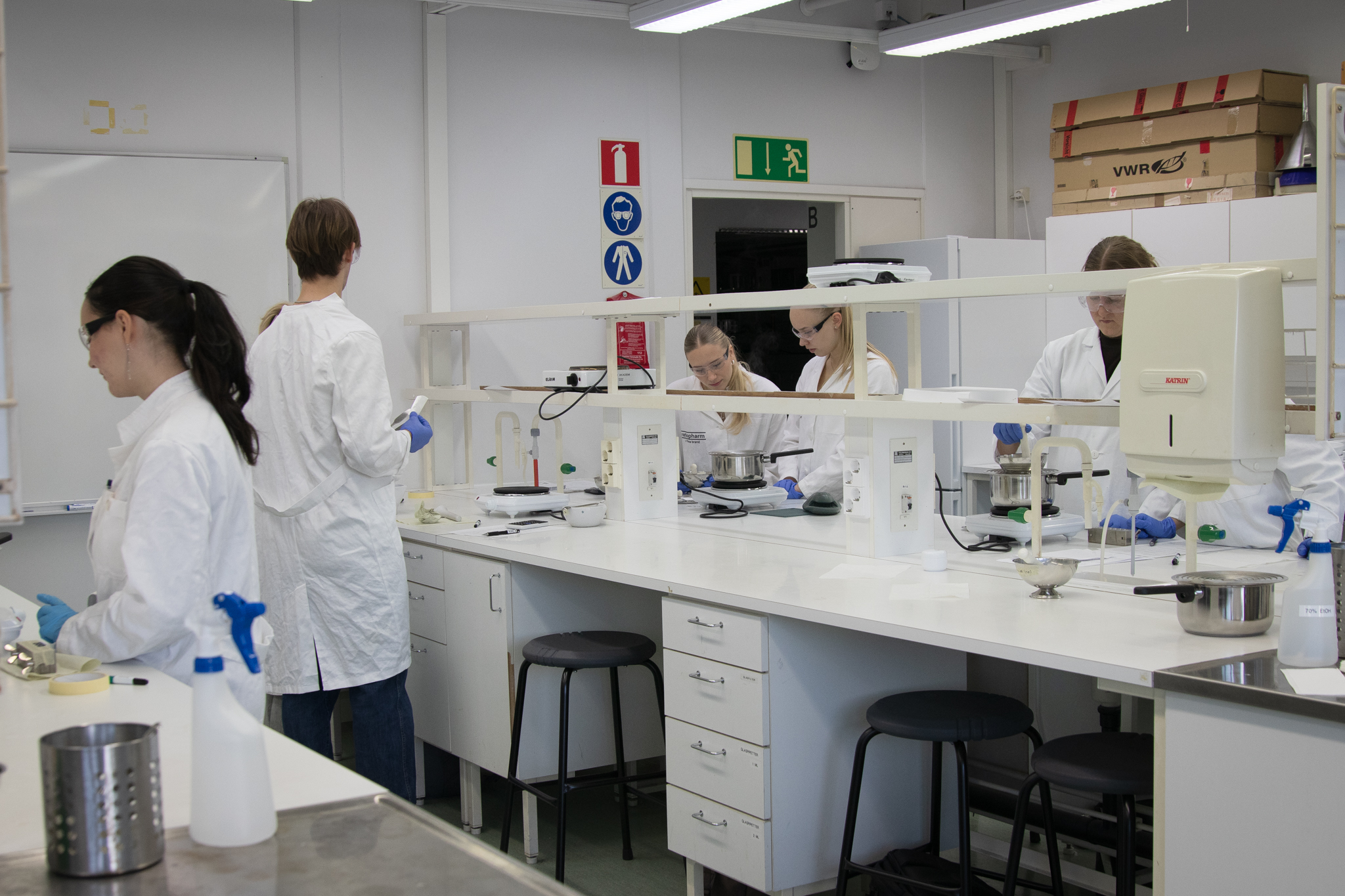
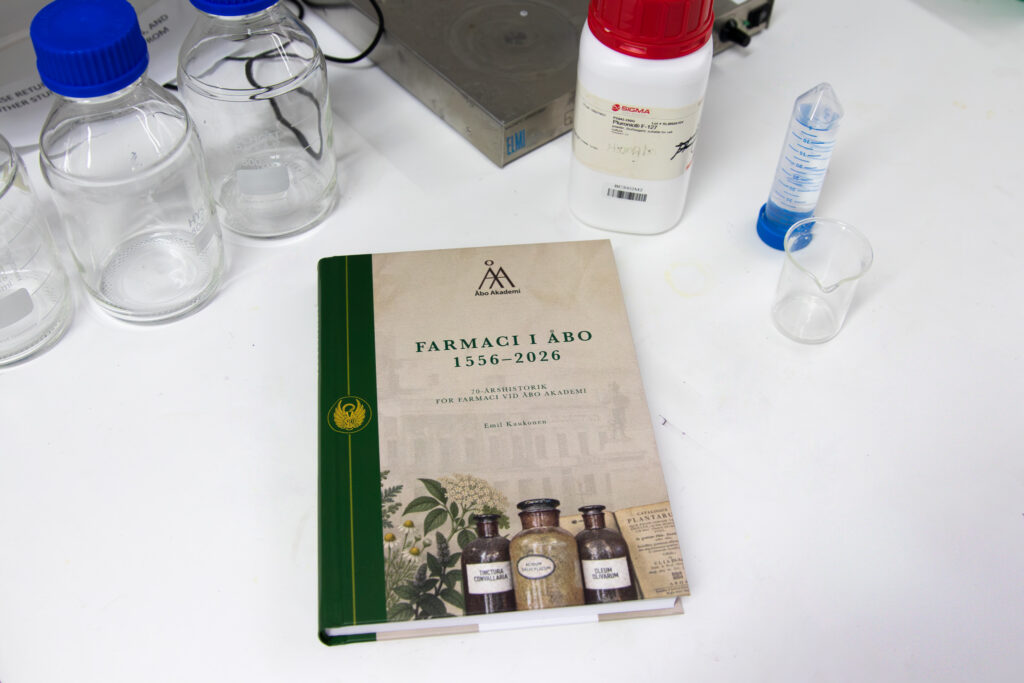
Pharmacy at Åbo Akademi University has a history spanning more than 70 years. This story is now brought to life in a new publication tracing the development of the subject from its first courses in the 1950s to today’s research and education.
The publication has been compiled by Emil Kaukonen, a doctoral researcher in history at Åbo Akademi University, and explores both the development of pharmaceutical education and the much older roots of pharmaceutical practice in Turku.
The story dates back to the 16th century, when the first known apothecary was practising in Turku, and traces the evolution of the field from the early pharmaceutical trade and apothecary traditions to modern research in areas such as drug development and nanomedicine.
According to Professor Jessica Rosenholm, the need to document the history of the discipline has been discussed for many years.
“There was concern that valuable memories and experiences would be lost if they were not documented. Now, at long last, we have managed to bring the story together in a book,” says Rosenholm.
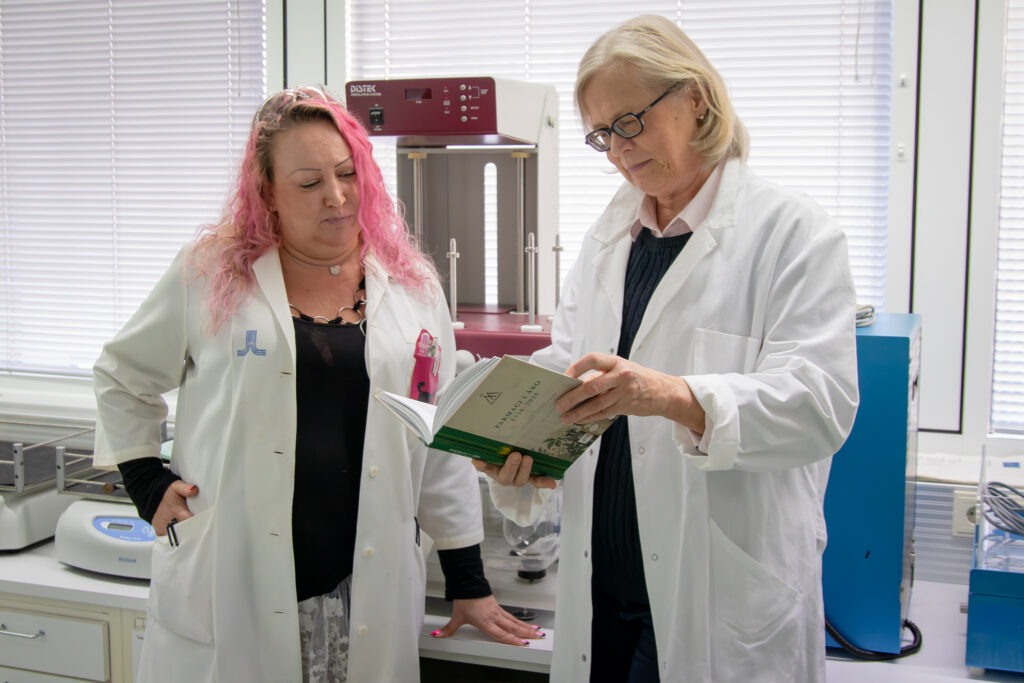
Pharmacy education at Åbo Akademi University began in 1956, at the initiative of Swedish-speaking pharmacists in Finland who recognised the need for higher education in the field in Swedish.
Over the decades, the discipline has evolved from a small programme with close ties to pharmacies into a diverse academic environment with internationally recognised research, extensive collaborations and close links with industry.
University Teacher Anne Eriksson highlights the strong sense of community as one of the programme’s key strengths.
“We’re a very close-knit community, with a strong commitment to both our students and the subject itself. It is a theme that runs throughout the publication,” says Eriksson.
The publication documents how pharmacy has evolved in response to changing societal needs and scientific advances. From its origins in the preparation of medicines in pharmacies, the field has gradually expanded to encompass the use of medicines, patient counselling and advanced research. While earlier generations of pharmacists worked primarily with traditional medicines, today’s researchers are exploring entirely new possibilities.
“What is particularly exciting today is that we are beginning to see medicines that do more than simply alleviate symptoms. They can actually cure diseases. Advances in biological medicines, gene therapies and cell therapies are opening up possibilities we could only have dreamt of a few decades ago,” says Rosenholm.
An important milestone was reached in 2020, when Åbo Akademi University was granted the right to educate pharmacists at master’s level, making it possible to offer pharmacy education from undergraduate studies through to doctoral research. Today, pharmacy is one of the university’s most popular fields of study.
“One of the strengths of pharmacy is the wide range of career opportunities it offers. Our graduates go on to work not only in pharmacies, but also in the pharmaceutical industry, government agencies, research, hospitals and many other areas of healthcare. Employment prospects are good, and students appreciate the way in which the programme combines the natural sciences with a strong focus on people and society,” says Eriksson.

You might also be interested in
-

Åbo Akademi University awarded more than EUR 3 million for research into sustainable materials of the future
Åbo Akademi University has been awarded just over EUR 3 million in funding from Business Finland to take part in an international research collaboration on…

-

AI is reshaping the workplace, but not replacing human judgement
As artificial intelligence rapidly transforms the workplace, new research shows that human capabilities such as creativity, analytical thinking and systems thinking remain critical and are…
-

Technology inspired by 3D printing could transform how medicines are tailored to patients
In her doctoral thesis Mahsa Bahman investigated a technology that could make it easier to produce medicines tailored to individual patients, helping improve dose accuracy…