



Press release


Asylum interviews and evaluations in cases based on sexual orientation are only partly consistent with established knowledge in psychology
Asylum seekers fleeing persecution because of their sexual orientation may be met with implicit stereotypical assumptions when the credibility of their claims are evaluated. Authorities tend to assume that truthful applicants will be able to provide detailed information about their sexual identity, but the questions asked in the asylum interviews do not necessarily stimulate the applicants to describe their claims as freely and accurately as possible, according to a recent doctoral dissertation from Åbo Akademi University.
The study is the first in Finland to examine the evaluation of asylum claims based on sexual orientation from a psychological perspective. It draws on an extensive analysis of 130 asylum interviews and decisions from the Finnish Immigration Service.
The analysis shows that asylum assessments in cases based on sexual orientation often focus more on evaluating the credibility of the applicant’s sexual orientation than on their concrete experiences of threats and persecution. In nearly 70 percent of rejected cases, it was specifically the sexual orientation that was deemed not credible enough, rather than the risk situation in the home country being questioned.
When asylum seekers delayed disclosing their sexual orientation, this often had a negative impact on the decision. This was the case despite applicants giving reasonable explanations such as not knowing their sexual orientation was relevant to the asylum decision, concerns about interpretation, or fearing that their information would be shared.
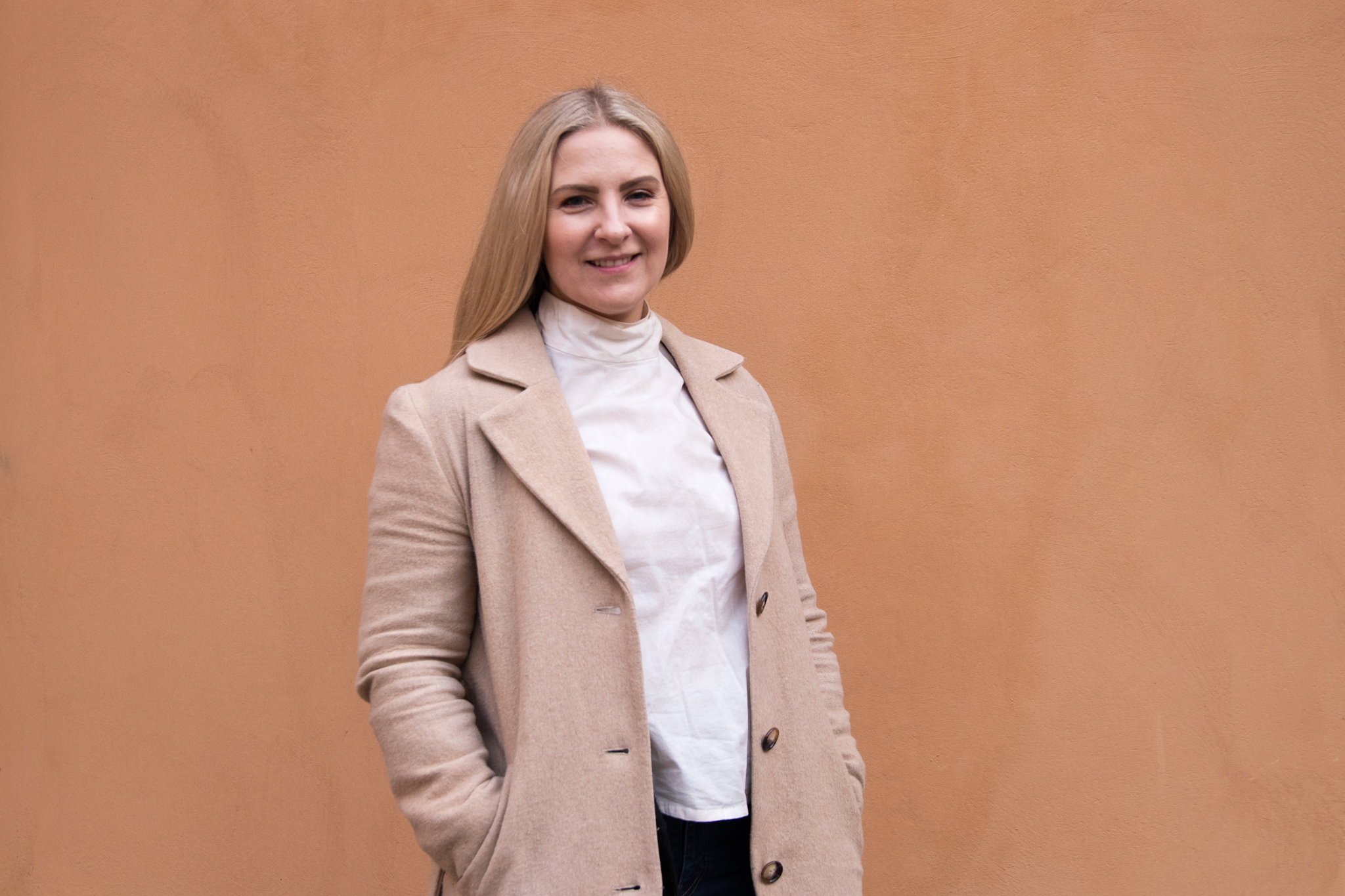
“We see a clear difference between how asylum seekers themselves describe their sexual orientation and what the authorities expect to hear. Some officials seem to follow a Western narrative model involving shame, inner conflict, and gradual liberation — assumptions that lack support in research and may not translate cross-culturally. When credibility assessments are based on culturally specific notions instead of evidence, the risk increases that people with a genuine need for protection will be denied”, says Hedayat Selim, Postdoctoral Researcher in Psychology at Åbo Akademi University.
“However, it is important to note that this is not the result of any lack of will on the part of the authorities. In fact, the Finnish Immigration Service has demonstrated an exceptional willingness to collaborate with researchers and share their materials. It is we researchers who have the responsibility to supply knowledge and evidence-based training to support officials in their difficult task of evaluating asylum claims, including those based on sexual orientation”, says Hedayat Selim.
The analysis also revealed shortcomings in interview technique. Although the vast majority of the interviews were conducted in a supportive and empathetic way, the interviews were dominated by closed questions (those beginning with wh-/how and yes/no questions), which can limit the length and informativeness of the information obtained. Open-ended questions that allowed for a more detailed and nuanced account made up only 12 percent of the total number of questions.
Overall, the results show a need for better training in interview techniques grounded in psychological knowledge. To ensure fairness in asylum decisions, a deeper understanding is also required of how cultural differences, psychological factors, and practical barriers affect the way people tell their life stories.
Hedayat Selim defended her doctoral dissertation in psychology at Åbo Akademi University on 22 August 2025. Read the thesis in its entirety.
Media enquiries:
Hedayat Selim, Postdoctoral Researcher in Psychology, Åbo Akademi University (enquiries in English)
hedayat.selim@abo.fi
+358 40 256 0490

You might also be interested in
-

Researchers at Åbo Akademi University Discover a New Molecular Switch Regulating Breast Cancer Progression
A research group led by Professor Lea Sistonen at Åbo Akademi University has discovered a new mechanism that regulates breast cancer progression.

-

Swedish-Speaking Ostrobothnia Shows Preliminary Potential to Be Considered a Blue Zone
Swedish-speaking Ostrobothnia stands out as a potential Blue Zone, thanks to factors such as long life expectancy, good health and a lifestyle resembling those in…