





NordFo 2024
Keynotes
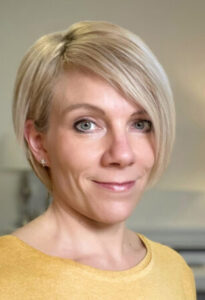
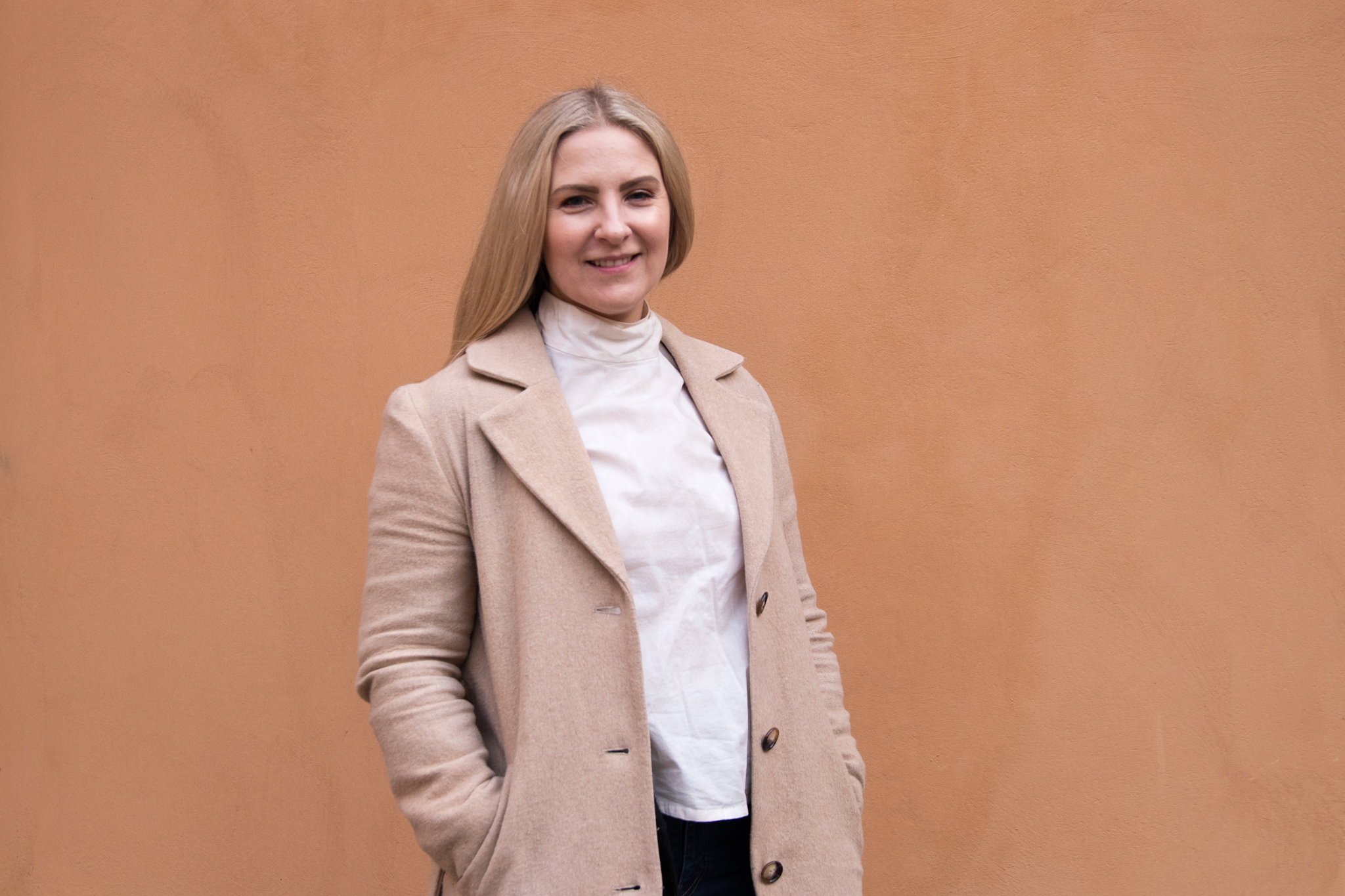
Linda Mannila
AI in crafts education – balancing tradition and innovation
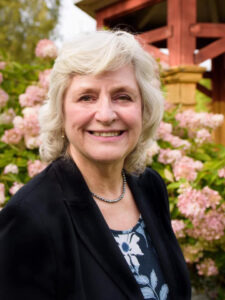
Bonnie Cramond
Creativity – How might we recognize and nurture it in ourselves and others?
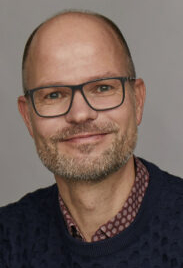
Søren Harnow Klausen
The role of craft in a balanced and contemporary education
Craft as a school subject is currently in search of its identity, trying to forge a role for itself in contemporary education. In its traditional form, focusing on techniques for processing materials and producing artifacts, it is under risk of becoming marginalized due to strong societal trends like academization, digitalization and the declining need for manual and physical skills. Current educational theory also tends to concentrate on the development of cognitive and verbal skills, despite its recognition of the importance of practices and embodiment. The idea of Bildung – motivating students to develop and “form” themselves in an ongoing encounter with the world – is widely endorsed as an educational ideal, not least in the Nordic countries. But it has likewise been interpreted in ways that privilege reflection and discussion over the practical and material aspects of human life. The subject of craft has been developed to accommodate these trends, widening its scope to cover technology and design, blurring the distinction between craft and art, and emphasizing its contribution to cognitive learning goals. This is both understandable and necessary. Craft has an unrecognized cognitive, aesthetic and creative potential, and the subject must respond to technological and societal trends – including the growing use of AI – to remain relevant. However, because genuine Bildung is concerned with all domains of human activity and requires a balanced approach to education, it is still important (and perhaps even more important than before) that students become acquainted firsthand with materials and manual processes. As the experience of concretely producing and shaping something is central to human wellbeing and personality formation, craft can also in this way contribute significantly to Bildung.
Crafting greetings

Lee Esselström
The Kvarken Sweater – local craftsmanship with a focus on the environment
The Kvarken Sweater is one of my latest collaborative projects, a knitting pattern developed together with local knitters for Hantverkets hus Loftet and the Kvarken World Heritage Site. My work mainly revolves around new designs rooted in history, using native natural materials and traditional craft techniques—often with a fresh twist. Inspiring others and encouraging more people to try new crafts is important to me, as a way to share sustainable values and help more people find everyday wellbeing through handicraft.


Luke & Allison Johanson
The Slöyd Experience
The Slöyd Experience is a unique and innovative nonprofit organization based in Louisville, Colorado, dedicated to providing an authentic, educational experience to youth. Through the simple act of “working with your hands,” Slöyd Experience aims to promote educational completeness and overcome current gaps in the educational system in the US.
Co-Founders Luke Johanson and Allison Johanson tell their story of how and why they have implemented the original ideas of educational sloyd by Uno Cygnaeus and Otto Salomon in today’s USA.