



News


Swedish-Speaking Ostrobothnia Shows Preliminary Potential to Be Considered a Blue Zone
Swedish-speaking Ostrobothnia stands out as a potential Blue Zone, thanks to factors such as long life expectancy, good health and a lifestyle resembling those in well-known Blue Zones. Åland, which boasts the highest life expectancy and best health, fails to meet the lifestyle principles of Blue Zones, except when it comes to providing a pleasant environment, according to a study from Åbo Akademi University.
A Blue Zone is defined as a geographical area where an unusually large proportion of people live significantly longer than in other parts of the world. Originally, Blue Zones were purely a subject of demographic research, but they have since come to include studies on lifestyle and health. The populations of Blue Zones typically share certain lifestyle traits, such as eating healthily, engaging in moderate physical activity, maintaining strong community bonds and living with a sense of purpose. Examples of recognised Blue Zones are Ogliastra in Italy, Ikaria in Greece, Okinawa in Japan and Martinique.
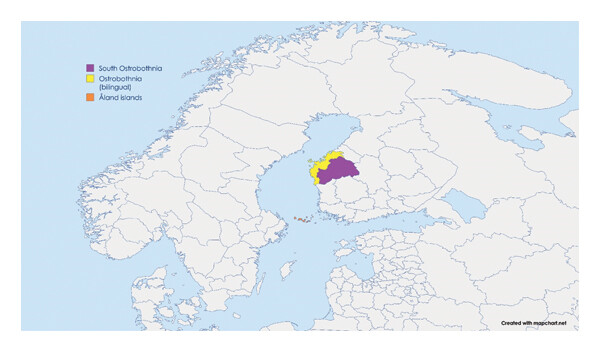
This study was carried out inWestern Finland and explores how health and adherence to the health-promoting Blue Zone lifestyle go together in regions varying in longevity. The regions include bilingual Ostrobothnia, Swedish-speaking Åland and Finnish-speaking South Ostrobothnia.
Potential Blue Zone in Ostrobothnia
The results show that the Swedish-speaking part of Ostrobothnia demonstrates good health, and adheres the most to the health-promoting Blue Zone lifestyle. This part of the province may be considered a potential Blue Zone when it comes to long life expectancy, although further demographic validation is warranted. Among the groups studied, the Finnish-speaking Ostrobothnia diverged the most from the Blue Zone lifestyle.
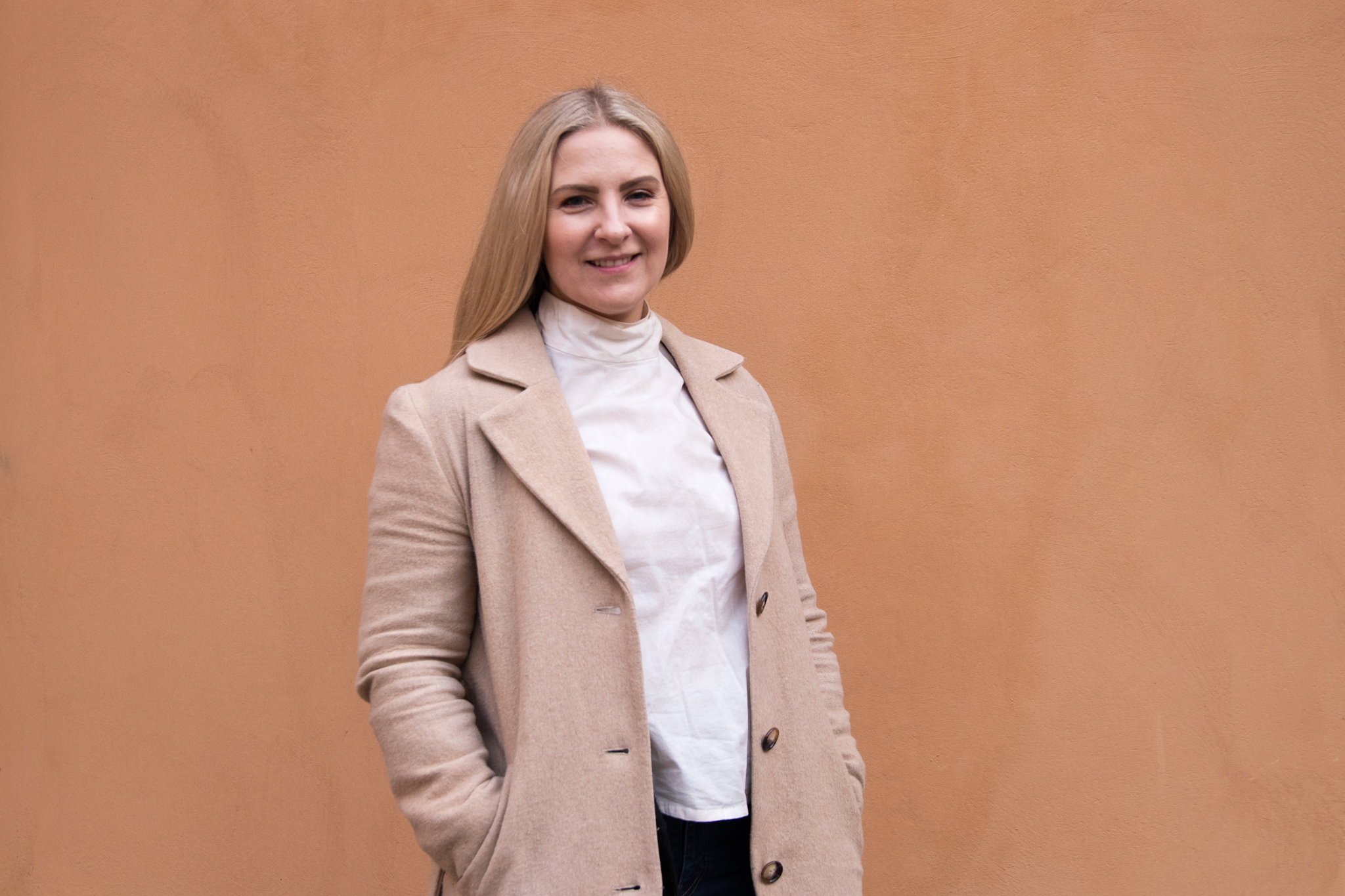
“The potential link between longevity, health, and lifestyle may vary across cultural, political, social, and economic contexts in different regions. Here, we require additional demographic studies to verify the extraordinary life expectancy in Ostrobothnia, especially among the Swedish-speaking community,” explains Sarah Åkerman, Postdoctoral Researcher in Social Policy and principal investigator of the Blue Zones in the Nordics project at Åbo Akademi University.
South Ostrobothnia Residents Live Healthily Yet Show the Poorest Health
The results reveal no clear patterns in regional differences regarding the relationship between longevity, health-promoting lifestyle and health. Åland had the highest life expectancy and the best health but departed from a number of lifestyle principles typically linked with long-living populations. This suggests that the life expectancy and health on Åland may be affected by other factors.
Swedish-speaking Ostrobothnia and South Ostrobothnia showed the highest levels of health-promoting lifestyles, although South Ostrobothnia had lower life expectancy than the other regions studied. South Ostrobothnia showed the poorest health yet followed the Blue Zone lifestyle to the same extent as Swedish-speaking Ostrobothnia.
A long life is generally regarded as the ultimate outcome of good health, even though longevity does not necessarily go hand in hand with good health or a health-promoting lifestyle. Today, there is a growing emphasis on healthy living, both at the individual and community level, as a way of delaying the need for social and healthcare services among the ageing population. Our research, however, shows that health and lifestyle do not necessarily correlate at the regional level, pointing to the need for continued research into how lifestyle can support healthy ageing.
The Blue Zones in the Nordics project will run until 30 June 2026 and is funded by the Swedish Cultural Foundation in Finland and the Swedish Ostrobothnian Association. The study was carried out using national statistics as well as data from the Gerontological Regional Database (GERDA) survey, which in its most recent round (2021/2022) was completed by just over 12,000 individuals born in 1930, 1935, 1940, 1945, 1950 and 1955.
Findings from the study are published in the academic journal Journal of Aging Research and are available in full here.
For further information, please contact:
Sarah Åkerman, Postdoctoral Researcher in Social Policy
Tel.: +358 504771776
Email: sarah.akerman@abo.fi
Co-authors of the study were Fredrica Nyqvist (Åbo Akademi University), Dorly Deeg (University of Amsterdam), Erika Boman (Åland University of Applied Sciences/Umeå University), Johan Niklasson (Umeå University) and Yngve Gustafson (Umeå University).
