


News


Global Collaboration for Sustainable Oceans
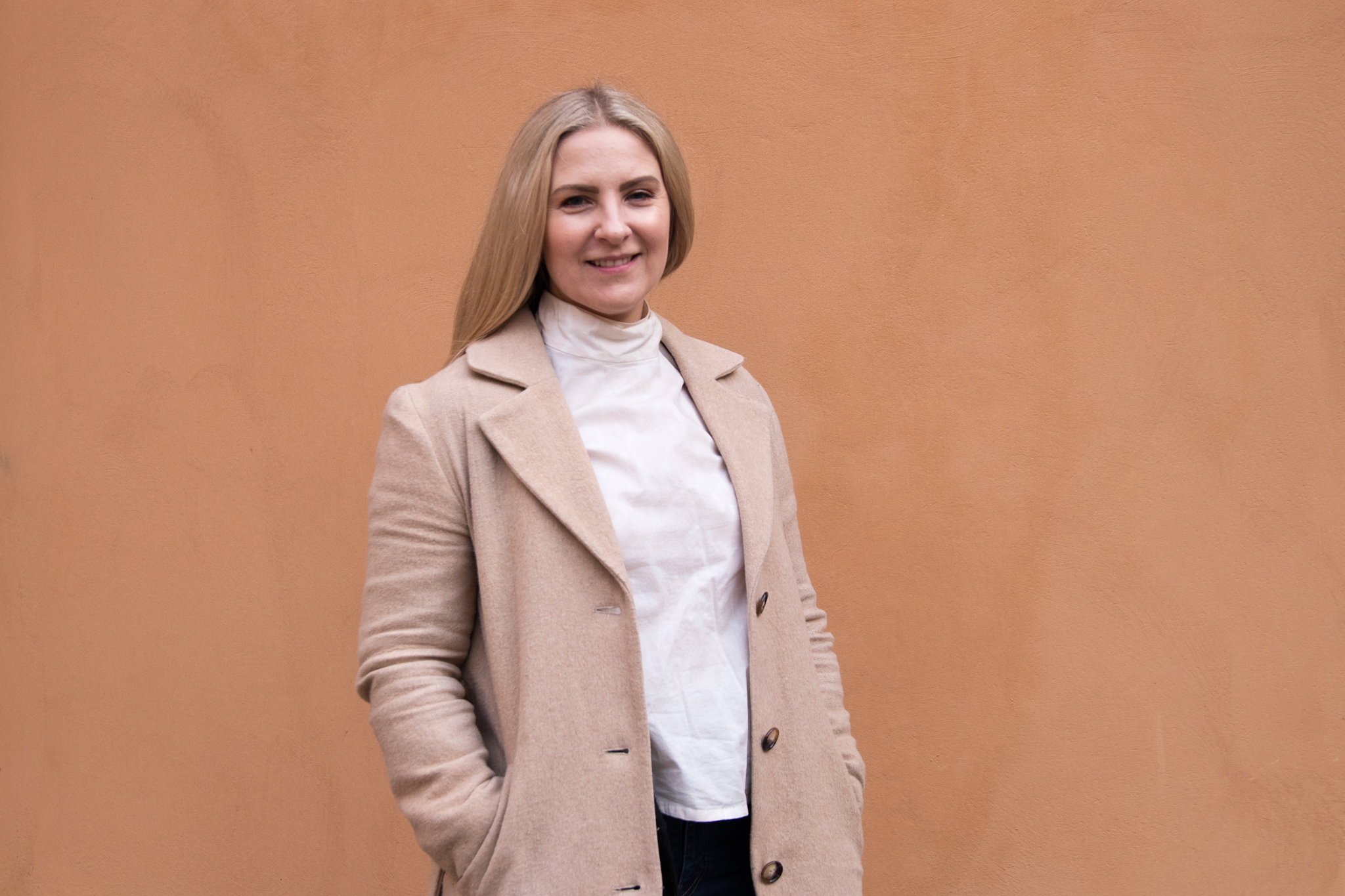
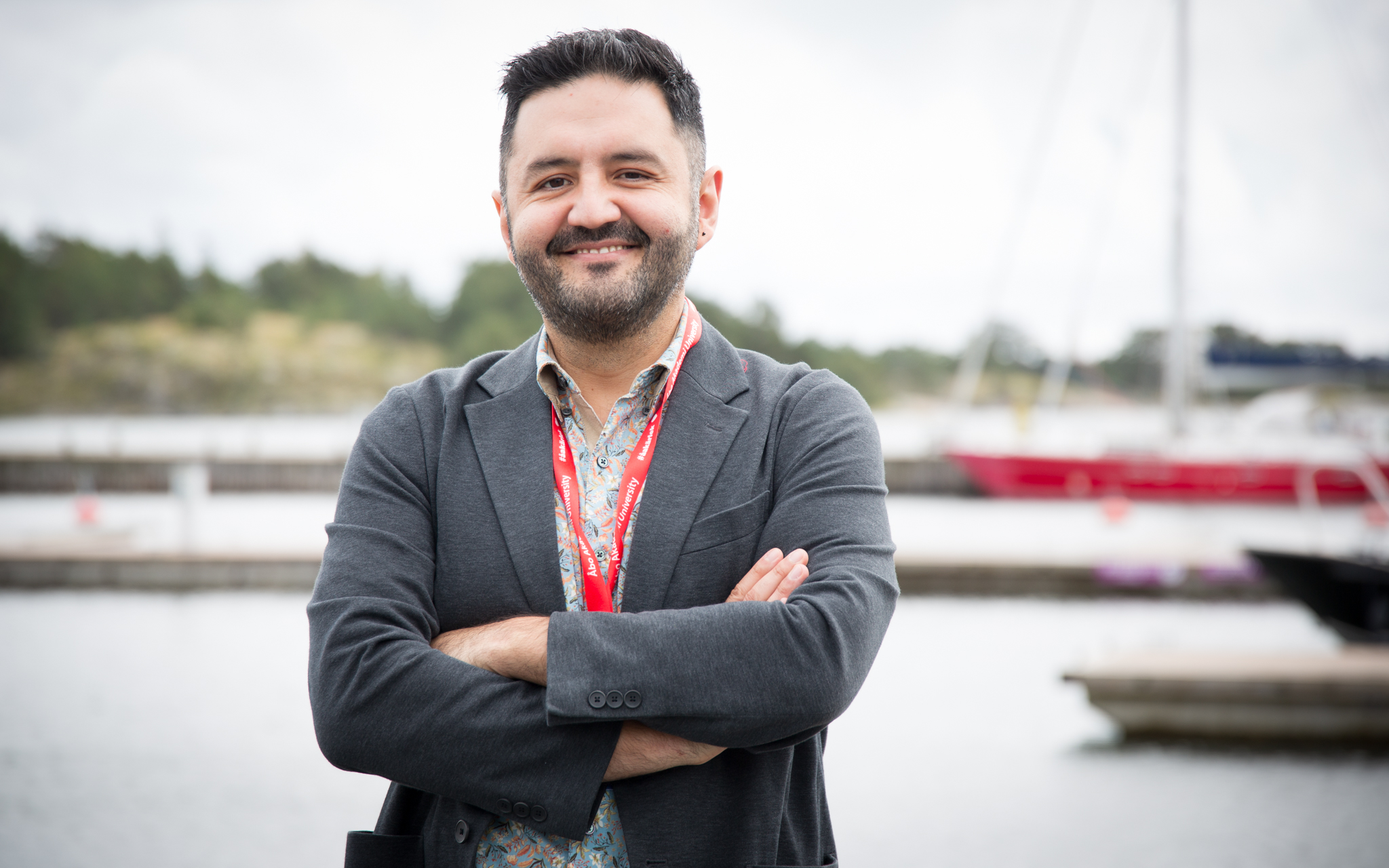
“Even if you live thousands of kilometres from the coast, the condition of the oceans affects you through weather patterns, food supply, and essential ecosystem services. A healthy ocean supports a more stable climate and improves living conditions,” says Leonardo Valenzuela Pérez.
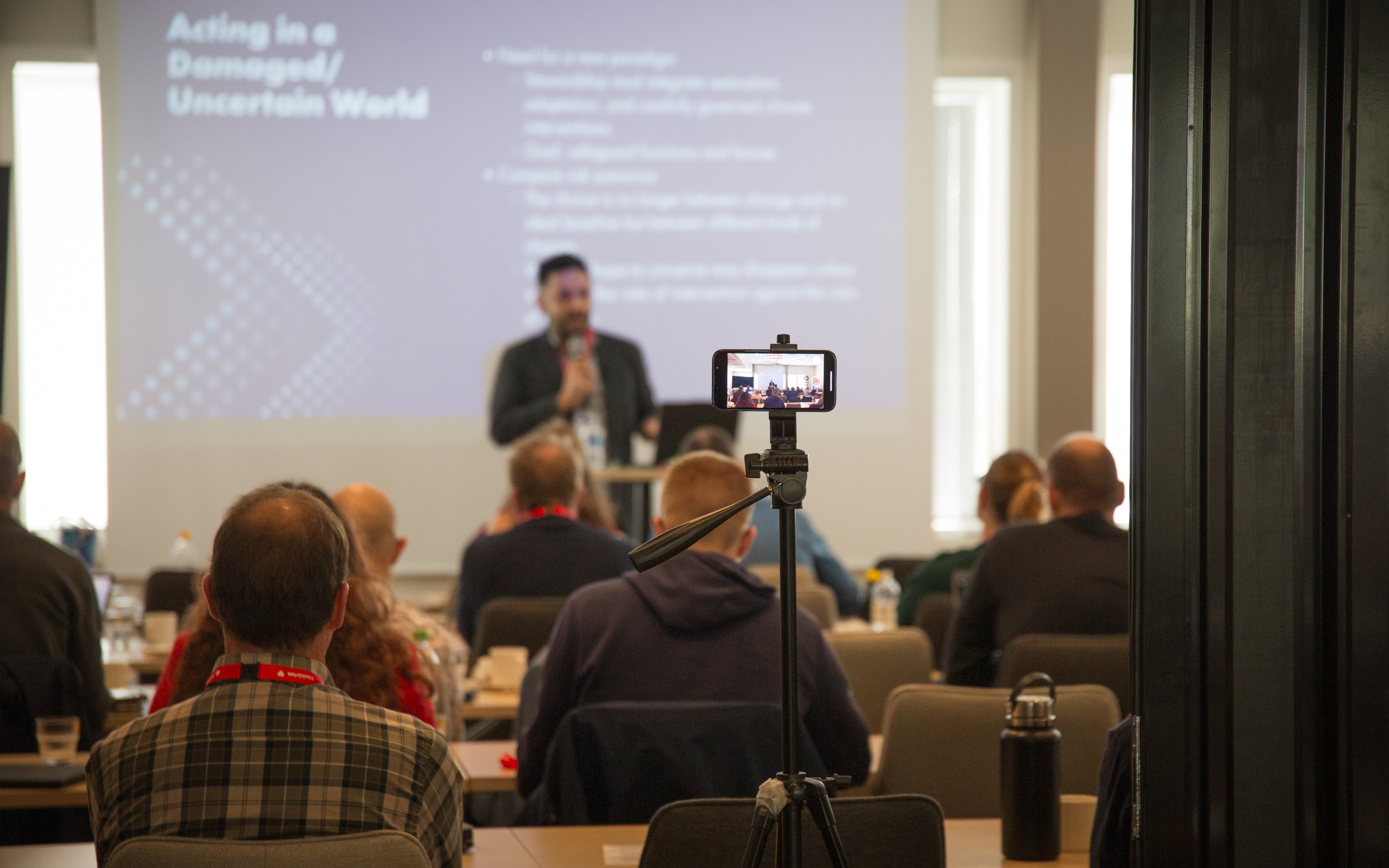
The Centre for Sustainable Ocean Science (SOS) convened its annual meeting in Kasnäs in September 2025, bringing together researchers and partners to discuss future marine and climate initiatives.
SOS is a Centre of Excellence at Åbo Akademi University that conducts interdisciplinary research on the impacts of human activities on the oceans. By integrating expertise from fields such as biology, chemistry, law, and political science, SOS examines environmental changes affecting the oceans. There is a particular emphasis on the Archipelago Sea and Åland, where researchers are investigating how human activities impact biodiversity and how these changes influence society’s transition towards sustainability.
The centre is funded by the Åbo Akademi University Foundation.
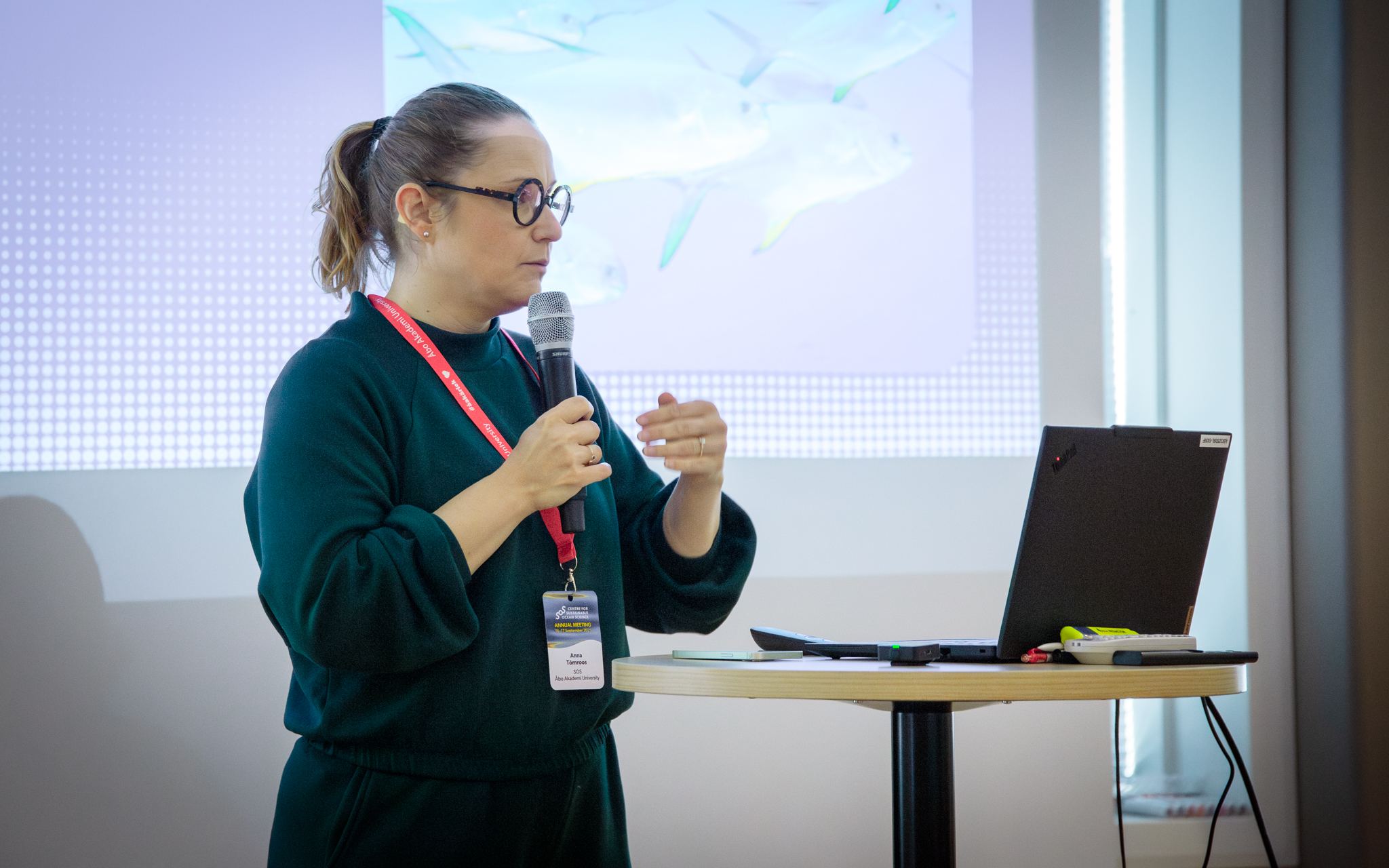
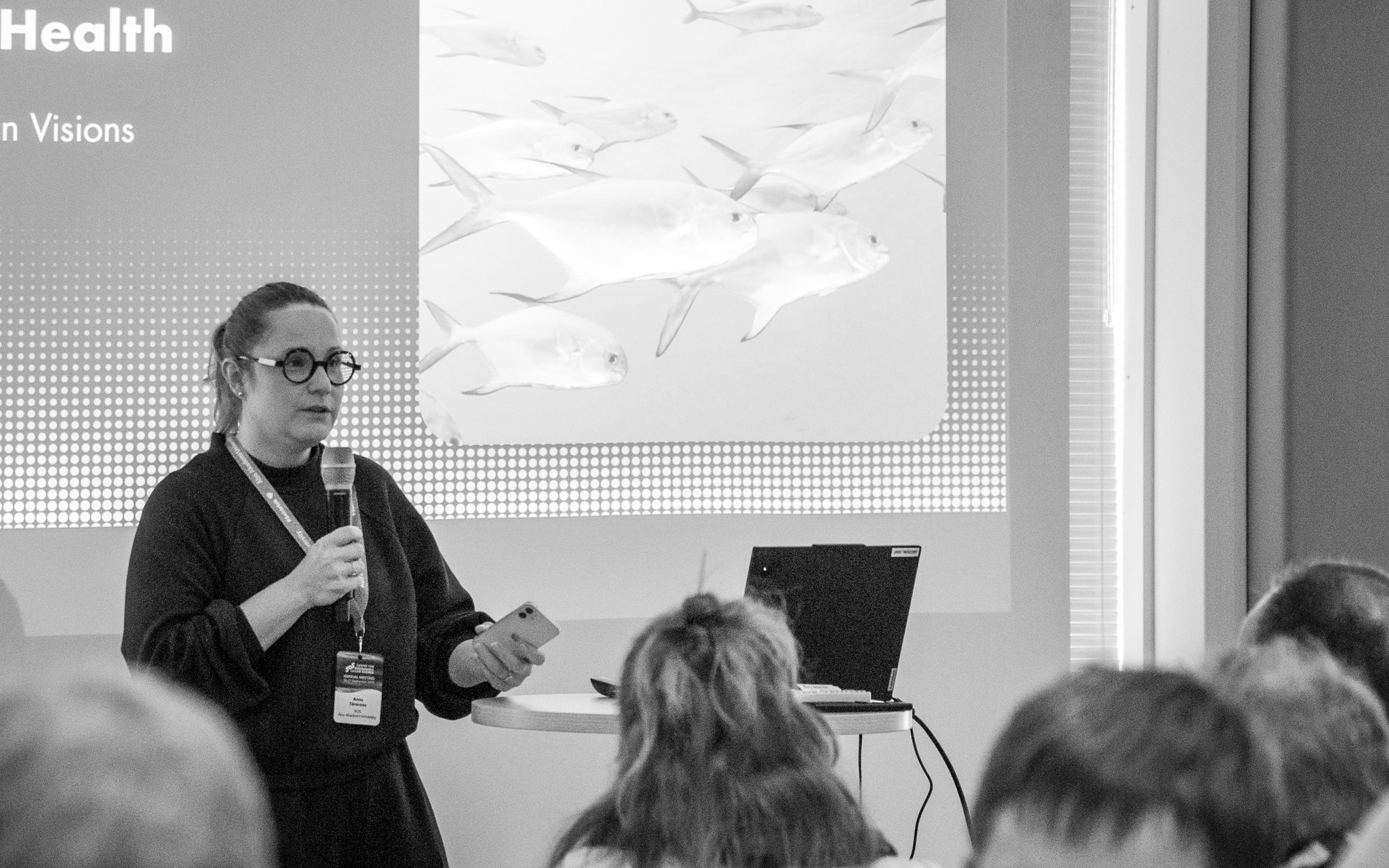
SOS is currently in its second year of operation. Anna Törnroos-Remes, who leads the centre, notes that it has made significant progress since its inception in 2024.
“It was especially gratifying to note that nearly half of the participants in Kasnäs came from outside the academic community. This shows just how relevant and widely interesting the issues we work on are,” says Anna Törnroos.
One of the keynote speakers at the annual meeting was Leonardo Valenzuela Pérez, Director of International Partnerships at Ocean Visions, United States.
Ocean Visions is a non-profit organisation dedicated to developing solutions to the interconnected climate and ocean crises. The organisation offers a platform for collaboration between research, policy, and practice, uniting stakeholders from diverse sectors to develop sustainable approaches with global applicability.
In his role, Leonardo Valenzuela Pérez leads the Global Ecosystem for Ocean Solutions (GEOS) initiative, a programme within the UN Ocean Decade. GEOS fosters collaboration between researchers, societal stakeholders, and policy-makers to develop science-based solutions addressing ocean-related climate challenges.
Earlier this year, SOS at Åbo Akademi University was formally recognised as a UN Ocean Decade Action. Through its collaboration with GEOS, SOS contributes to the global development of solutions for a sustainable and resilient ocean, in alignment with the UN goals.
“We are very proud to be part of the UN Ocean Decade. It provides greater visibility for our work and opens up opportunities to contribute to wider initiatives. It is also a key means of engaging internationally and forging partnerships,” says Anna Törnroos.
The Ocean and the Climate are Interconnected
“The Ocean Decade was established to accelerate action on ocean-related issues. Several challenges have been identified in which the ocean plays a crucial role, many of which align with the UN’s global sustainability goals. At Ocean Visions, we focus particularly on climate change—Challenge Five—which involves understanding the intricate link between the ocean and the climate. But we also contribute to other areas, recognising that addressing the climate challenge requires more science, a developed blue economy, and open access to knowledge,” says Leonardo Valenzuela Pérez.
“A key part of this work is promoting ocean literacy, helping more people understand why the ocean is central to the climate issue. We need more scientists, engineers, and policy-makers who are dedicated to the cause. It’s about making knowledge accessible and fostering a wider community centred on oceans and climate issues.”
According to Leonardo Valenzuela Pérez, a major challenge has been the long-standing separation between climate and ocean stakeholders, who often have slightly differing priorities.
“Thanks to the Ocean Decade, a new community has emerged. An increasing number of researchers are identifying themselves as marine climate scientists, a truly powerful community of skilled oceanographers, marine chemists, marine biologists, and climate strategists. They are now collaborating to shape a new field of research, where the oceans and climate are regarded as a shared challenge,” says Leonardo Valenzuela Pérez.
How can local communities and Indigenous peoples be meaningfully included in a global initiative of this kind?
“In many cases, local communities and Indigenous groups are already involved, as their economic interests are directly impacted by climate change. In the State of Washington, Indigenous peoples are working alongside scientists and technology companies to tackle ocean acidification, which poses a threat to mussel farms. In Finland, the Sami Parliament plays an active role in climate-related issues. Fishermen are also an important group, as they witness the effects directly in their daily fishing activities. In many cases, local leaders, innovators, and advocates are already in place, and the Ocean Decade has established forums where these groups can come together.”
“Current developments resemble a real-time experiment. Time is short, and new technological solutions must be tested immediately out in the real world. When the technology is deployed, local communities, Indigenous groups, and other stakeholders are already engaged. They are on the front line, witnessing the problems first hand. I expected it to be more challenging, but there is often a clear recognition of the importance of taking action at a local level,” says Leonardo Valenzuela Pérez.
“However, responsibility cannot rest solely with coastal communities. The oceans regulate the planet’s climate and sustain ecosystems vital to the entire food chain,” Leonardo Valenzuela Pérez reminds us.
“Even if you live thousands of kilometres from the coast, the condition of the oceans affects you through weather patterns, food supply, and essential ecosystem services. A healthy ocean supports a more stable climate and improves living conditions. The effects resonate on a global level.”

You might also be interested in
-

Asylum interviews and evaluations in cases based on sexual orientation are only partly consistent with established knowledge in psychology
Asylum seekers fleeing persecution because of their sexual orientation may be met with implicit stereotypical assumptions when the credibility of their claims are evaluated. Authorities…

-
EU Invests €3.6 Million in Åbo Akademi University’s international master’s programme EDISS
The EDISS master’s programme has positioned Åbo Akademi University as a leading institution in education in computer engineering and artificial intelligence. Since its launch in…
-
New Herpes Virus–Based Vaccine Could Cure Cancer in the Future Without Side Effects
The Herpes simplex virus is a widespread virus that often causes cold sores, and most people carry it. By removing a virulence gene, i.e. a…