


Aktuellt


Become a Citizen Climate Detective and uncover the sea’s weather
We talk about the weather all the time, but while we follow the sky closely, the “weather” in the sea largely remains unseen. In coastal areas, water temperature can vary dramatically over short distances due to factors such as depth, wind exposure, and circulation. Yet this fine‑scale variability is still poorly documented.
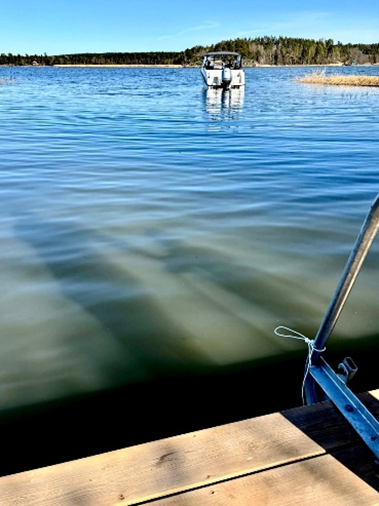
Through an ongoing citizen science project at Åbo Akademi University, participants help reveal this hidden world by placing simple temperature loggers near their homes or summer houses, capturing the conditions marine life experiences at high resolution.
Last year’s pilot was a great success, with enthusiastic volunteers across the Archipelago Sea already providing valuable data. Building on this momentum, we are now expanding along the entire Finnish coast, including Åland: this year’s first logger was placed on May 2nd with the help of a 6‑year‑old citizen climate detective and the 40 loggers distributed so far already span from Närpes in the north to Loviisa in the east.
However, many areas are still not covered, and researchers warmly invite everyone to join by deploying a logger into the Sea at a fixed structure (such as a pier or buoy) close to their home.
How to become a Citizen Climate Detective?
Fill in this form to participate:
More information on how to use the climate logger can be found on the project website.
Read more about how the project began and how citizen scientists contribute to new insights about the sea in this blog post.
