
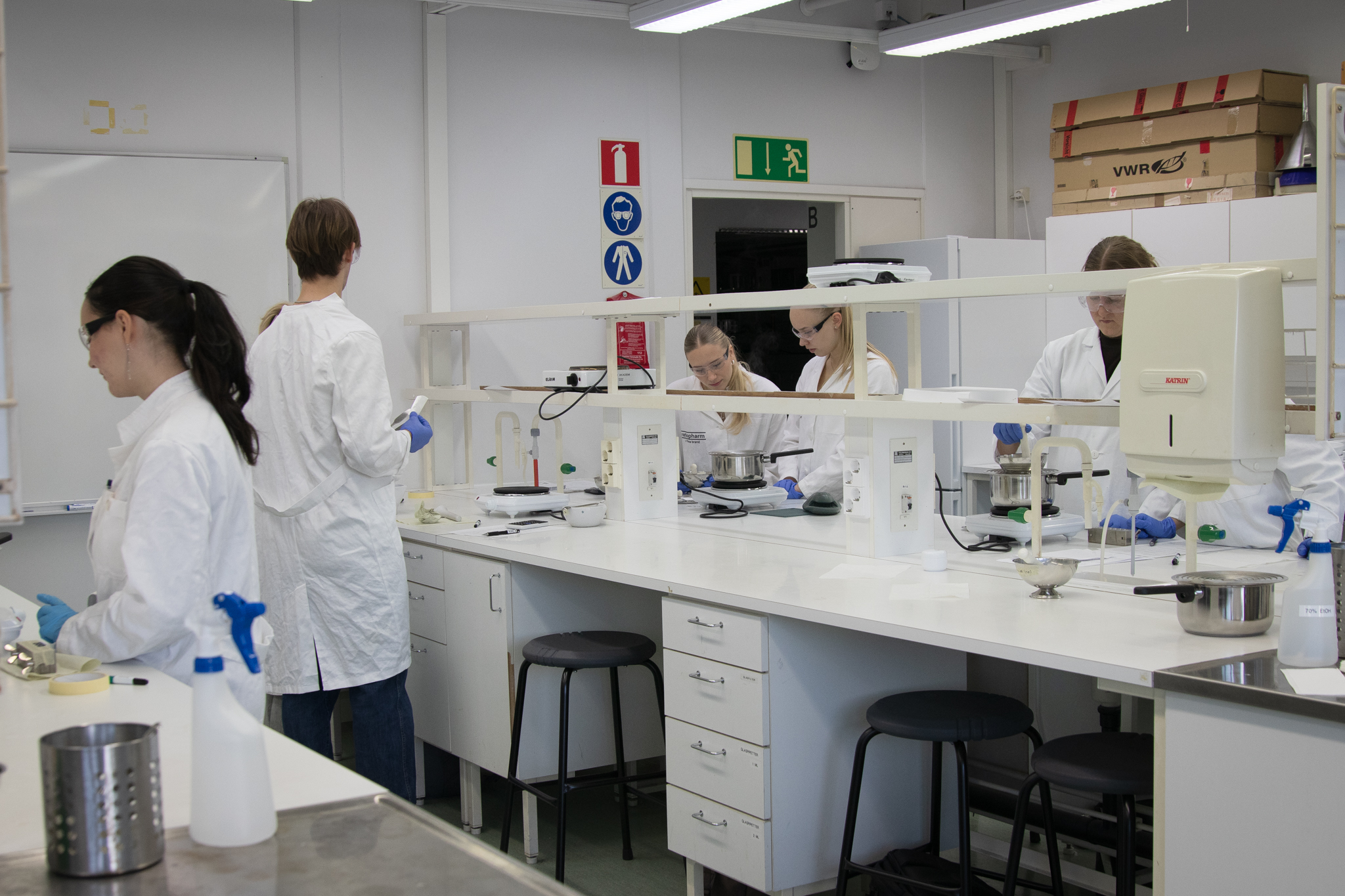


Data Centre Education Programme


Give your career a new direction. Step into one of the most important industries of the future and learn how data centres work.
Short intro text.
Proposed target groups for the pilot programme
Åbo Akademi University students
- Shorter certificates/stand-alone modules
- Integration into an existing Master’s programme in IT
Opportunity to take the modules as elective studies
- Professionals (IT, energy, construction, industry, public sector, etc.)
- Possibility to participate on a module-by-module basis
Overall learning outcomes
Upon completion of the programme, students will be able to:
- reflect on future technological developments and their implications for the data centre industry
- understand how data centres are designed, structured and operated from a technical perspective
- analyse the interaction between IT, energy, industry and infrastructure
- assess sustainability and environmental aspects related to data centres
- understand business models, investment considerations and policy issues
- apply knowledge to practical cases and projects
Modular structure 20 ECTS
| Module 1: Introduction to Data Centres and the Data Centre Ecosystem (5 ECTS) • Data centres: types and functions • Market and industry development (Finland, the Nordic region and globally) • Mission-critical facilities • Key stakeholders and value chains Learning outcomes Upon completion of the module, students will be able to describe different types of data centres and their fundamental technical functions. Students will be able to explain the development and key drivers of the data centre market in Finland, the Nordic region and globally. Students will also be able to identify the key stakeholders in the data centre value chain – from infrastructure and equipment providers to operators and end users – and explain how they interact with one another. Students will be able to place data centres within a broader societal and interdisciplinary context and understand their role in society, including why certain data centres are classified as mission-critical facilities. |
| Module 2: Infrastructure, IT and Operations (5 ECTS) • Server architecture • Networks and data flows • Cloud, edge and hybrid solutions • Operations and security, including cybersecurity Learning outcomes Upon completion of the module, students will be able to describe the technical architecture of a data centre at the systems level, including server architecture, networks and data flows. Students will be able to compare data centres of different scales, from hyperscale facilities to edge data centres, and assess how scale influences architecture and operations. Furthermore, students will be able to explain key principles of data centre operations and reliability. Finally, students will be able to identify the main security challenges, including cybersecurity, and explain how these are addressed in practice. |
| Module 3: Energy, Environment and Sustainability (5 ECTS) • Energy systems and energy efficiency • Cooling systems and thermodynamics • Computational Fluid Dynamics (CFD), at an introductory level • Sustainability, climate impact and circular solutions Learning outcomes Upon completion of the module, students will be able to describe a data centre’s energy system and explain key principles of energy efficiency, including relevant key performance indicators such as PUE (Power Usage Effectiveness). Students will be able to explain the thermodynamic principles underlying different cooling solutions and analyse flows and heat transfer in data centre environments. Furthermore, students will be able to assess the climate impact and sustainability of data centres from a life-cycle perspective and explain the role of circular solutions. Students will be able to analyse opportunities for heat recovery and the reuse of waste heat, including how these can be integrated into district heating systems and broader energy ecosystems in cooperation with surrounding communities. |
| Module 4: Governance, Economics and the Future (5 ECTS) • Business models and investments • Permitting processes and legislation • Project management, implementation and product development • Future technologies: AI, automation and future needs Learning outcomes Upon completion of the module, students will be able to explain key business models and investment principles within the data centre industry. Students will be able to describe, at a general level, the permitting and regulatory processes governing the establishment of data centres. Students will be able to apply basic principles of project management and implementation to data centre projects. Students will be able to analyse emerging technologies and trends and reflect on how these will influence future needs and developments in the industry, as well as how they may create new opportunities for business development. |
Complementary elements
- Project work in collaboration with industry representatives
- Study visit to data centre, including real-life case from operational data centre
Pedagogical approach
The course will be delivered through blended learning, in line with recommendations from subject-matter experts:
- Online lectures delivered by Åbo Akademi University, Finnish and international experts
- Guest lectures from industry representatives (e.g. Sweco, RISE, FDCA)
- Study visits
Cost and cancellation policy
Costs for the courses
Early-bird application to all courses (15 credits): 1350 euros. Deadline: June 12, 2026.
Regular costs: 1500 euros, or 100 euros per credit, e.g., 500 euros for 5 credits and 200 euros for 2 credits.
Deadline: September 20, 2026 (fall term) and December 11 (spring term).
Cancellation policy
Cancellations made after the participant has confirmed their place in the course will be charged 50% of the full fee. The full fee will be charged if the cancellation is not made before the start of the course. Cancellations must be submitted by email to the course organiser.
Contact
Scope
20 ETCS
Fee
X €
Language
English
Course Duration
X